.png)
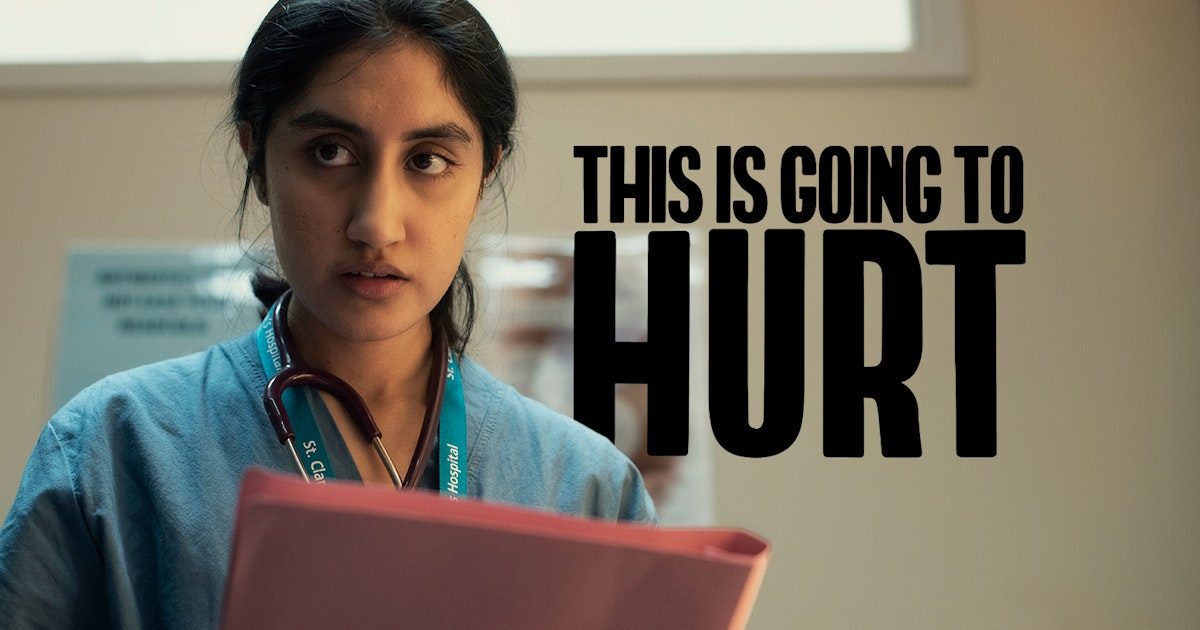
7 Surprising Lessons From This Is Going To Hurt Shop TV Show
When the hit series This Is Going To Hurt Shop burst onto screens, most viewers expected another medical drama. Instead, they found a raw, unfiltered look at the life of a junior doctor, packed with moments that are both heartbreaking and darkly humorous. The show does more than entertain; it offers surprising lessons that can reshape how we view healthcare, work cultures, and personal resilience. From the pressures of hospital hierarchies to the importance of self‑care, each episode leaves a lingering imprint. Below are seven unexpected takeaways that fans and professionals alike can apply in everyday life.
Lesson 1: The Hidden Cost of “Heroism” in Medicine
Doctors often portray themselves as tireless heroes, pushing through exhaustion to save lives. This Is Going To Hurt Shop reveals the toll this mindset exacts on mental health. Long shifts blur into personal time, and the line between dedication and self‑destruction becomes hazy. The series shows that true compassion includes recognizing one's limits. When professionals prioritize sustainable work habits, patient care ultimately improves. The lesson? Real heroism is about balance, not burnout.
Lesson 2: Communication Gaps Can Be Dangerous
Clear, concise communication is a lifeline in a hospital. The show highlights how miscommunications between senior staff and junior doctors lead to errors and frustration. Simple misunderstandings, like ambiguous handover notes, can escalate into critical incidents. By depicting these scenarios, the series underscores the need for structured communication tools, such as SBAR (Situation, Background, Assessment, Recommendation). Implementing these frameworks reduces risk and builds trust across teams.
Lesson 3: Bureaucracy Often Undermines Patient Care
Paperwork, audits, and endless protocols dominate daily routines. This Is Going To Hurt Shop pulls back the curtain on how administrative burdens detract from bedside time. Doctors spend hours completing forms instead of listening to patients. The lesson is clear: streamlining processes can free clinicians to focus on what truly matters—human connection and healing. Health systems that invest in efficient digital solutions see higher staff satisfaction and better outcomes.
Lesson 4: Humor Is a Survival Mechanism
Amid the stress, the series showcases humor as a coping strategy. Doctors crack jokes to diffuse tension and maintain morale. While some may view this as unprofessional, the show demonstrates that appropriate levity can protect mental health and foster team cohesion. Laughter releases endorphins, reducing cortisol levels and improving decision‑making under pressure. Embracing a balanced sense of humor can be a vital tool for any high‑stakes profession.
Lesson 5: Empathy Must Extend Beyond Patients
Empathy in the show isn’t limited to patients; it reaches colleagues, families, and even oneself. The series illustrates that supporting fellow staff during crises builds a resilient workplace. When a team member faces personal hardship, offering a listening ear can prevent isolation. This broader view of empathy helps create a culture where everyone feels valued, reducing turnover and burnout.
Lesson 6: Continuous Learning Is a Lifelong Commitment
Medicine evolves rapidly, and the show emphasizes that staying current is non‑negotiable. Junior doctors constantly encounter unfamiliar cases, prompting them to research and seek mentorship. This commitment to learning translates to other fields: professionals must pursue ongoing education to remain effective. The series encourages curiosity, reminding viewers that growth thrives on asking questions.
Lesson 7: Boundaries Protect Your Humanity
Finally, the series teaches the importance of setting personal boundaries. Doctors who overextend risk losing their sense of self. By establishing clear limits—both emotional and temporal—they safeguard their well‑being. The narrative shows that boundaries lead to better work‑life integration, allowing clinicians to recharge and return to their vocation with renewed purpose.
These seven surprising lessons from This Is Going To Hurt Shop provide more than entertainment; they offer actionable insights for anyone navigating high‑pressure environments. By recognizing the hidden costs of heroism, improving communication, streamlining bureaucracy, embracing humor, extending empathy, committing to lifelong learning, and setting firm boundaries, we can transform challenges into opportunities for growth. The series reminds us that behind every stethoscope lies a human being who deserves care, respect, and balance.


